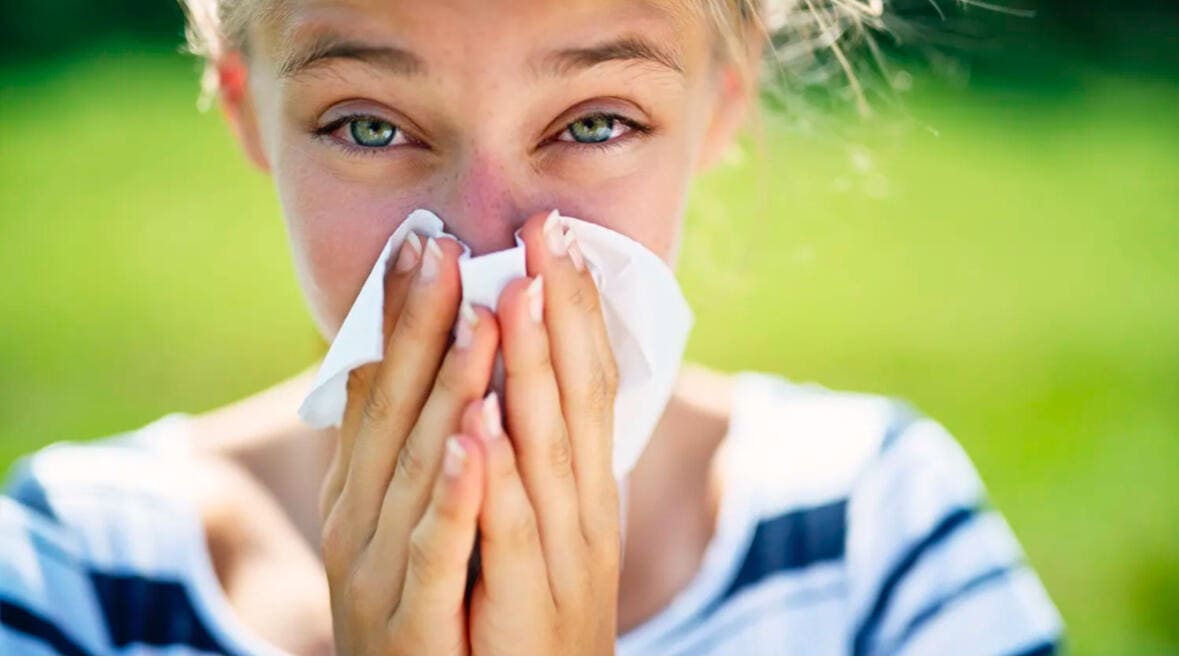
Seasonal allergies support
Histamine is a chemical your immune system releases in response to allergens like pollen. It’s responsible for classic seasonal allergy symptoms such as sneezing, runny nose, itchy eyes, and congestion. When your body encounters pollen, mast cells release histamine to “defend” against the perceived threat.
But for those with histamine intolerance or histamine overload, the response can be more intense and harder to recover from.
Supporting your body’s ability to break down histamine—through nutrients like quercetin, vitamin C, acemannan can reduce symptoms naturally.
Managing histamine levels is key to feeling better during allergy season without relying solely on medications.
IT STARTS WITH FOOD
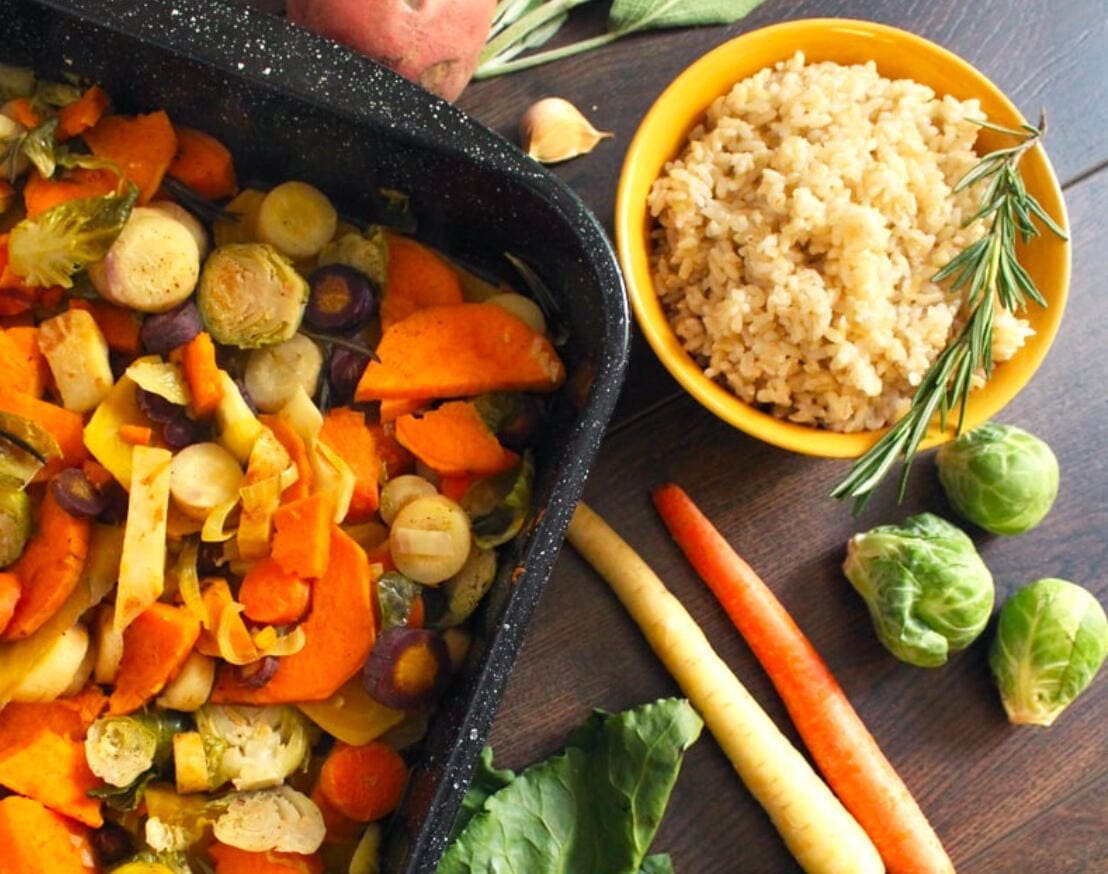
What you eat can significantly affect how much histamine builds up in your body during allergy season. Some foods are high in histamine or trigger its release—like aged cheese, fermented foods, processed meats, and alcohol. If your body already struggles to break down histamine, eating these can make seasonal allergy symptoms worse. On the other hand, foods rich in vitamin C, quercetin, and antioxidants—like fresh fruits, and vegetables, organic meats can help naturally lower histamine levels. Eating a clean, low-histamine diet during peak allergy times can reduce inflammation and ease symptoms.
REMOVE BURDENS
When the body is exposed to a high toxin load, the immune system can become more reactive and sensitive to triggers like pollen. Reducing that overall burden may help calm excessive immune responses and lower histamine-driven symptoms. It also supports key detox pathways (like the liver and gut), which play a role in clearing inflammatory compounds. The result is often a more balanced immune response instead of overreacting to everyday exposures.
Helpful supplements
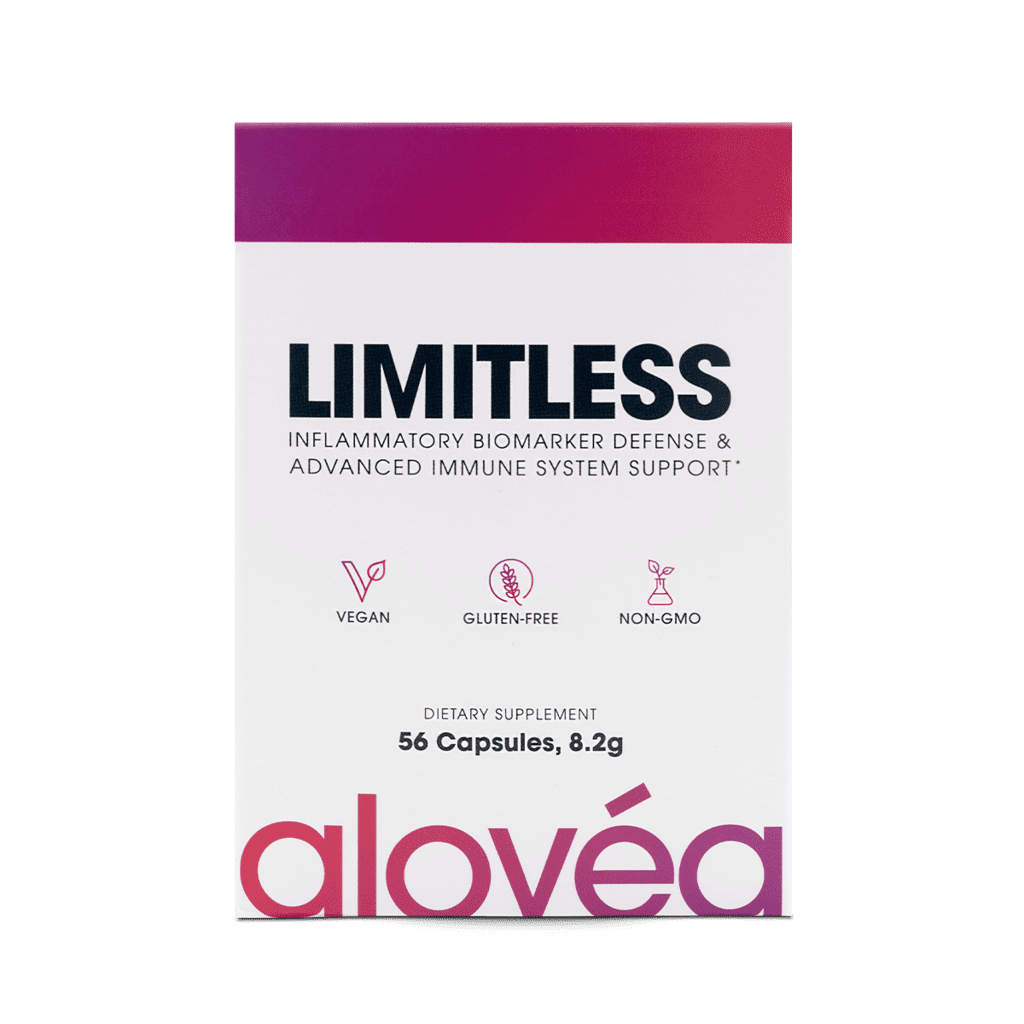
Acemannan
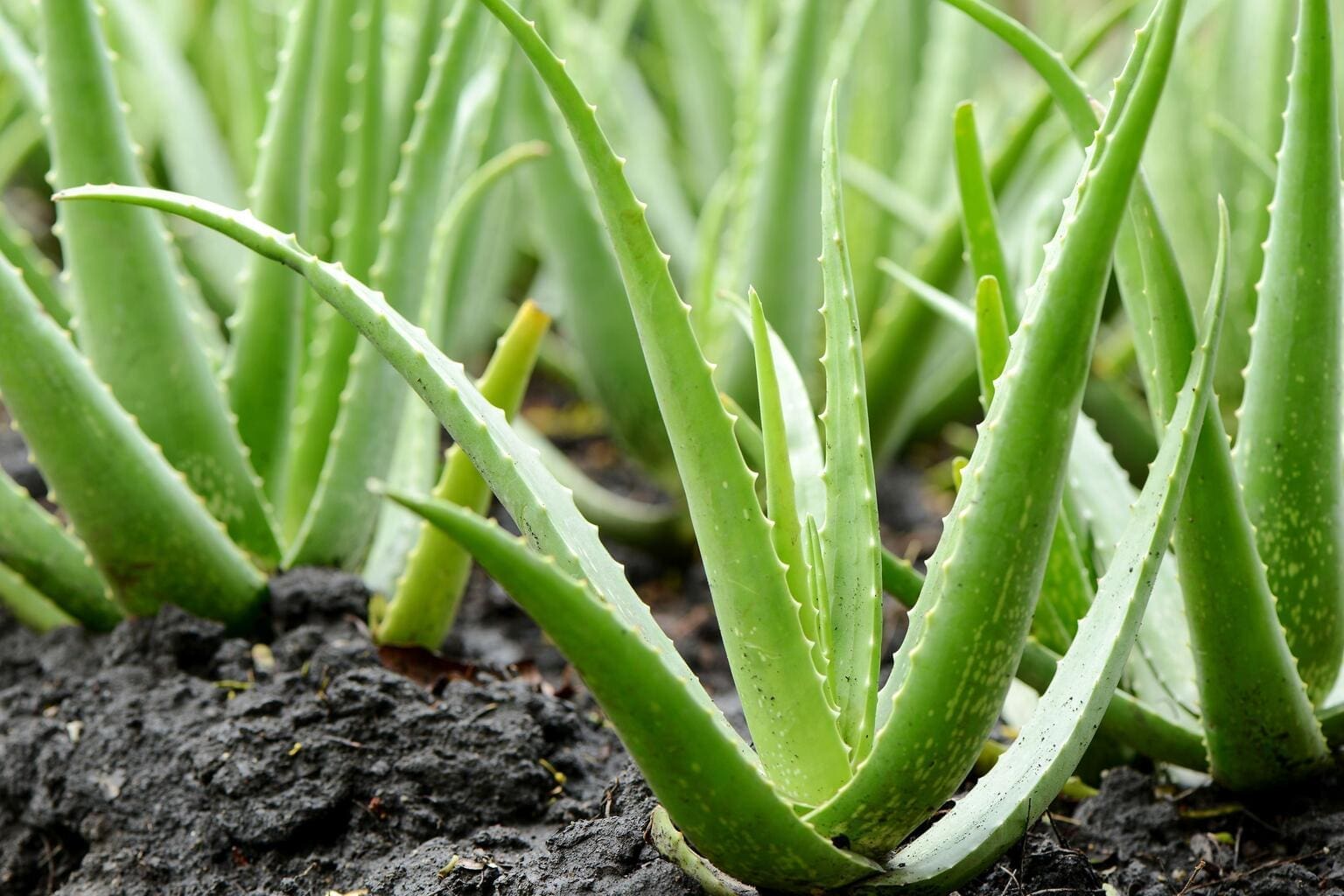
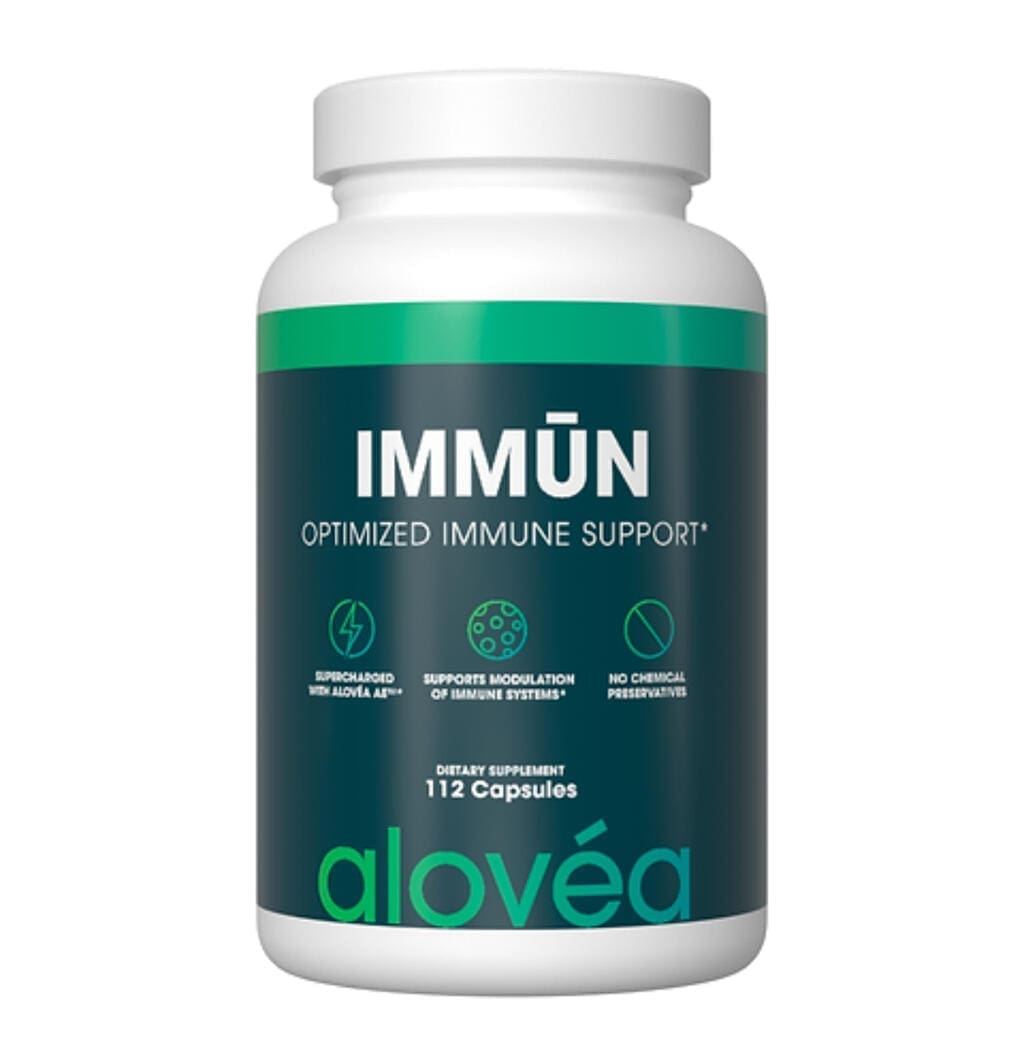
Acemannan, a powerful polysaccharide found in the inner leaf gel of aloe vera, can support the body’s response to histamine and seasonal allergies by helping regulate immune activity and inflammation. It works by stabilizing mast cells—those responsible for releasing histamine—and promoting a more balanced immune response, which may reduce the intensity of allergic reactions to pollen and environmental triggers. Acemannan also supports gut health, which plays a critical role in how the body processes and eliminates histamine. By strengthening the intestinal lining and supporting beneficial bacteria, it can help lower histamine overload from both internal and external sources. For individuals with histamine intolerance or heightened allergic sensitivity, acemannan offers a natural, plant-based way to support overall histamine regulation and ease seasonal allergy symptoms.
Acemannan has been clinically shown to do the following:
- Support healthy inflammatory biomarkers
- Improve skin health
- Stimulate collagen production
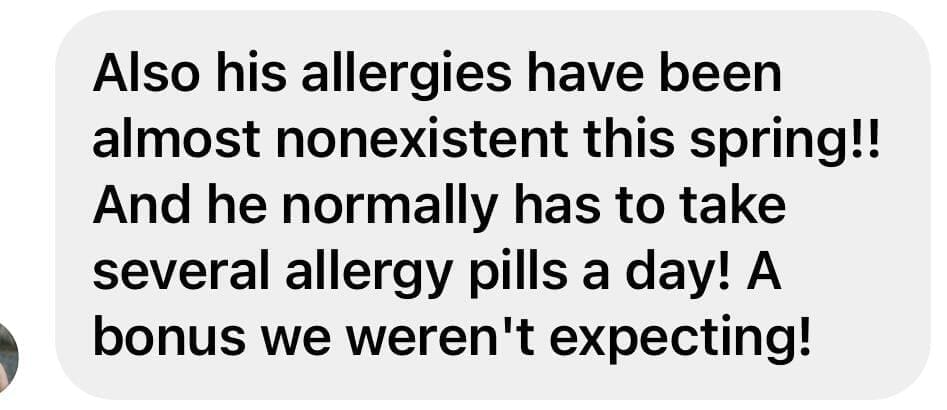
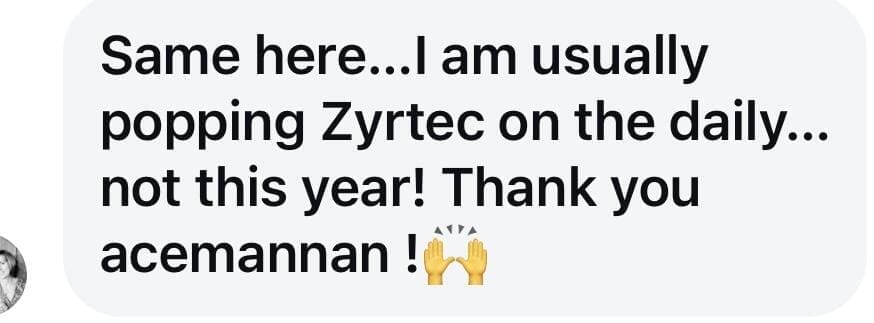
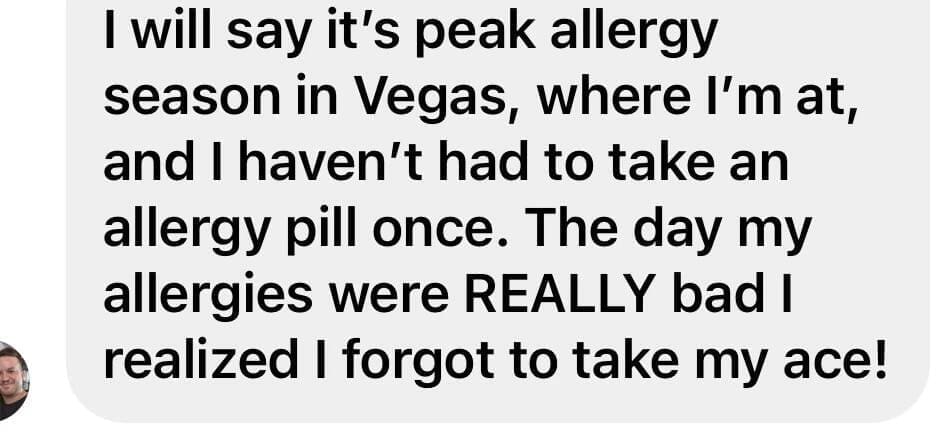
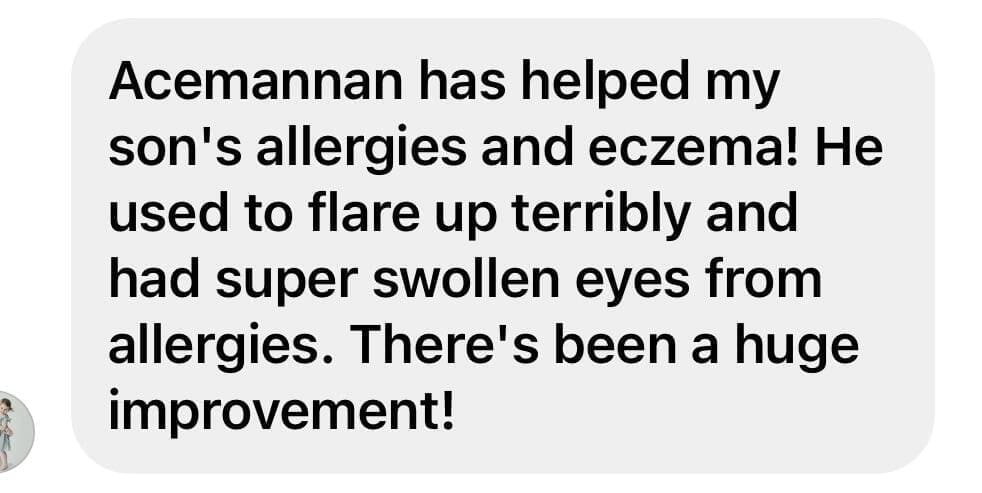
- Aid in allergy responses
- Enhance immune response to viruses & bacteria
- Increase stem cell production 300% – 400%
- Has a 10-fold impact on immune activation
- Enhance the production of glutathione by 50% (this alone is HUGE)
The benefits are ALMOST too good to believe. But with over 700 studies (many of them peer-reviewed) and $200 million in research, it’s easy to see why those on the cutting edge of health are prioritizing acemannan in their wellness routine.
I START GIVING THIS AT 4 WEEKS OLD! All my children + my family takes it. Broken open into food/milk for children
two large bottles is 15% off and free shipping – code “emily10” for an additional 10% off
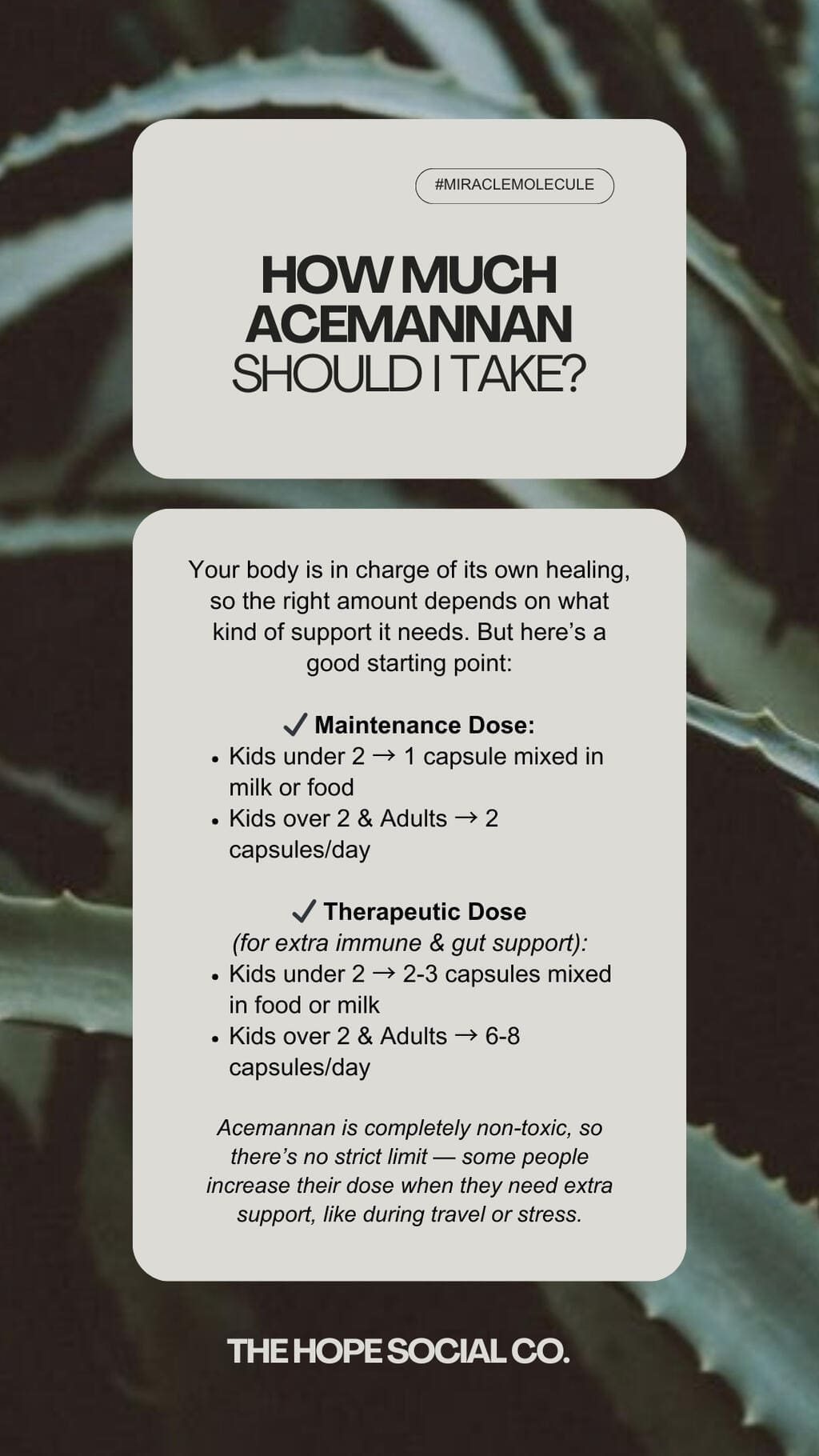
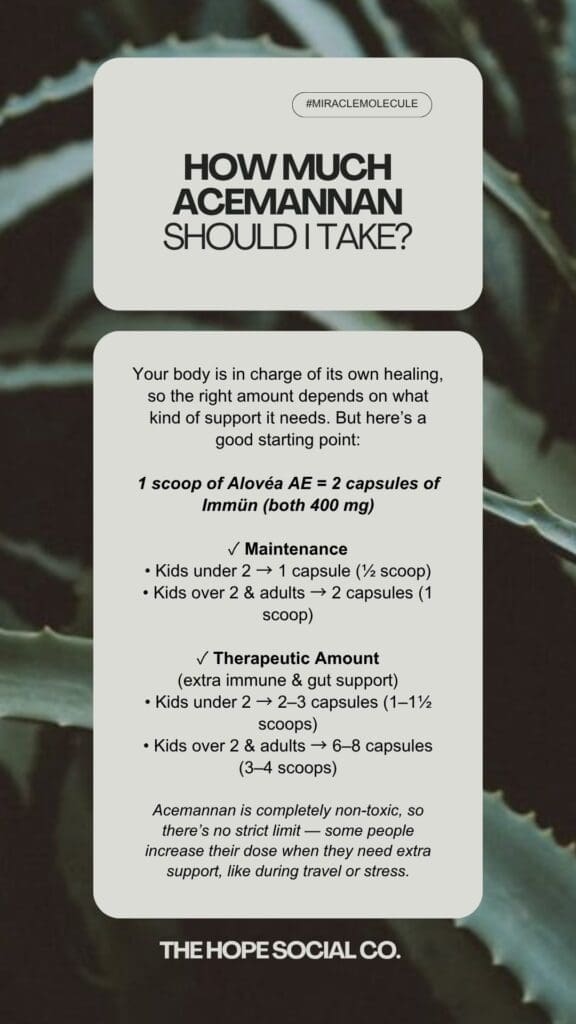
Acemannan Powder
The easiest way I get this miracle molecule into my family is acemannan powder — you can stir it right into water, juice, a smoothie, or whatever your people already drink. And this isn’t watered-down aloe off a grocery shelf. It’s a proprietary inner-leaf gel extract carrying the HIGHEST level of immune-modulating acemannan per gram — 4 to 5 times more than the original patented formula — and it’s non-GMO, organic, and gluten free.
The best part? No capsules to fight over. One scoop of acemannan powder equals two acemannan capsules of the same powerful molecule, so it’s never been simpler to support the immune, gut, and whole-body health God designed your family to have.
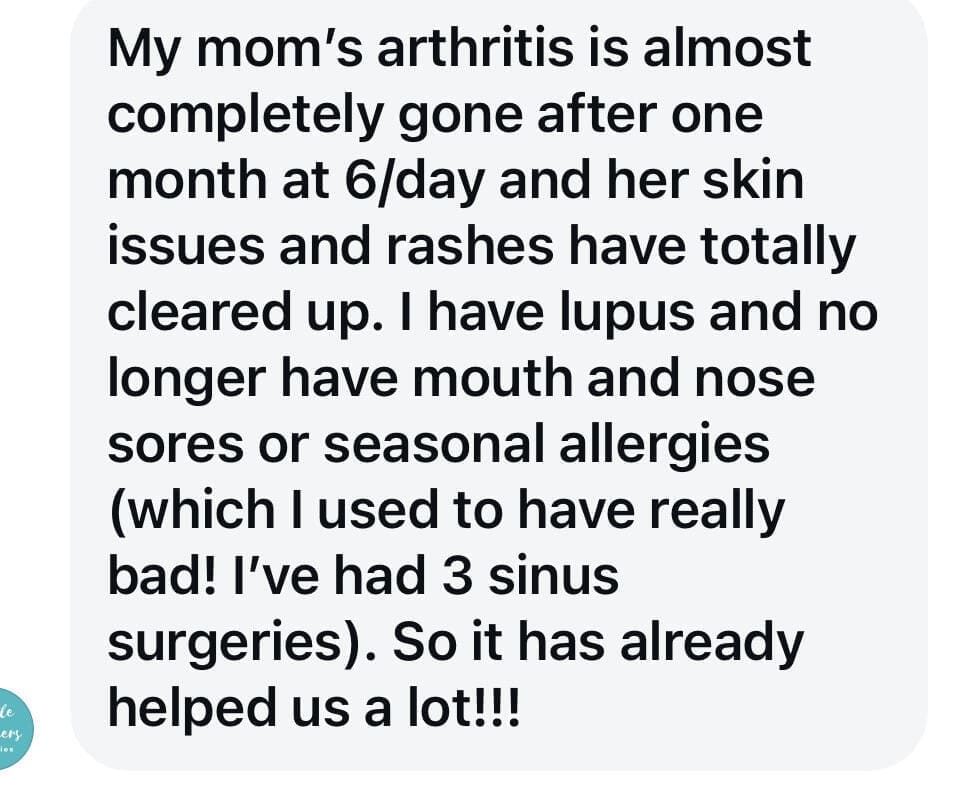
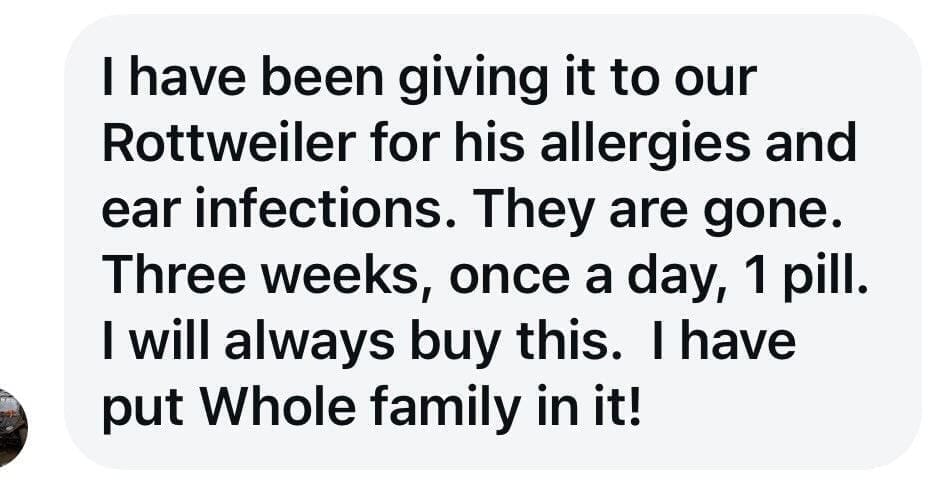
Betalains
Betalains, the powerful pigments found in beets, have strong antioxidant and anti-inflammatory properties that can help calm an overactive immune response. They may help reduce the release of inflammatory compounds like histamine that drive seasonal allergy symptoms.
By lowering oxidative stress, betalains support a more balanced immune response instead of overreacting to harmless triggers like pollen. This can lead to fewer symptoms like congestion, irritation, and inflammation during allergy season.
Sinus support
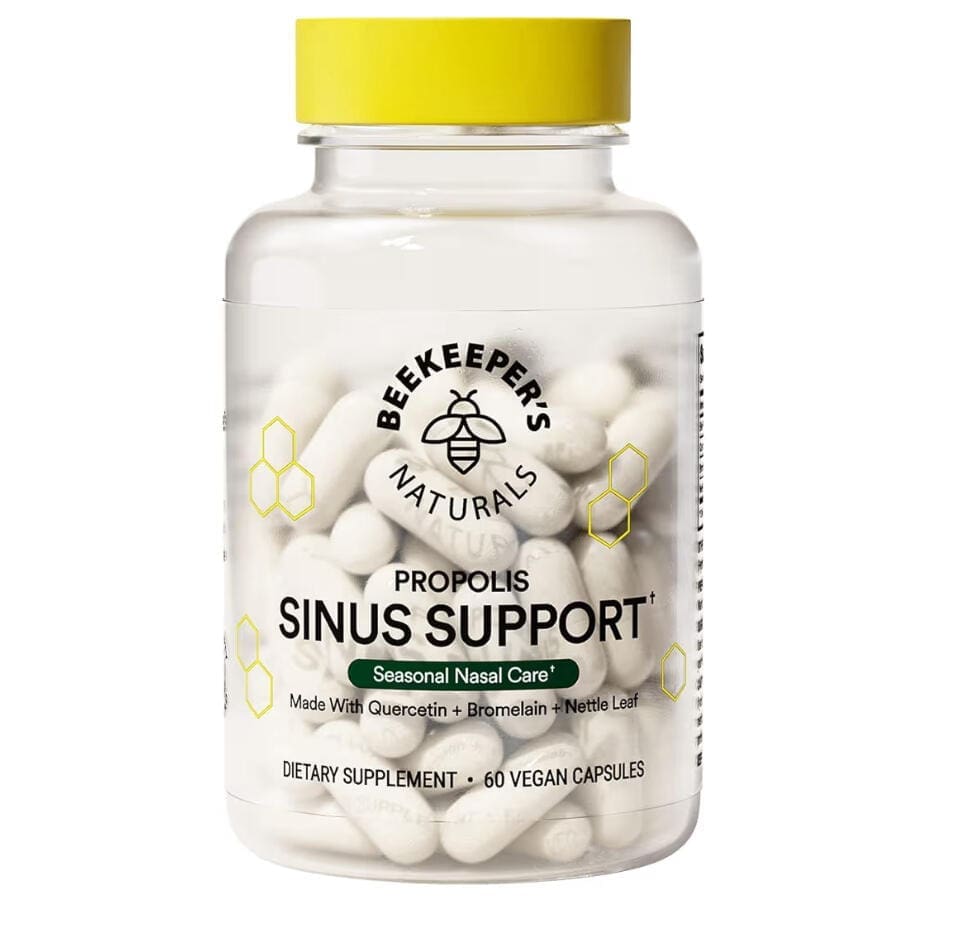
This combines propolis, quercetin, bromelain, and nettle leaf—compounds known to help stabilize mast cells and modulate histamine, which can reduce common allergy symptoms like congestion and sinus pressure. Bromelain also supports healthy inflammation response in the nasal passages, helping you breathe more easily. Instead of just masking symptoms, it supports a more balanced immune response to environmental triggers.
Make them into gummies
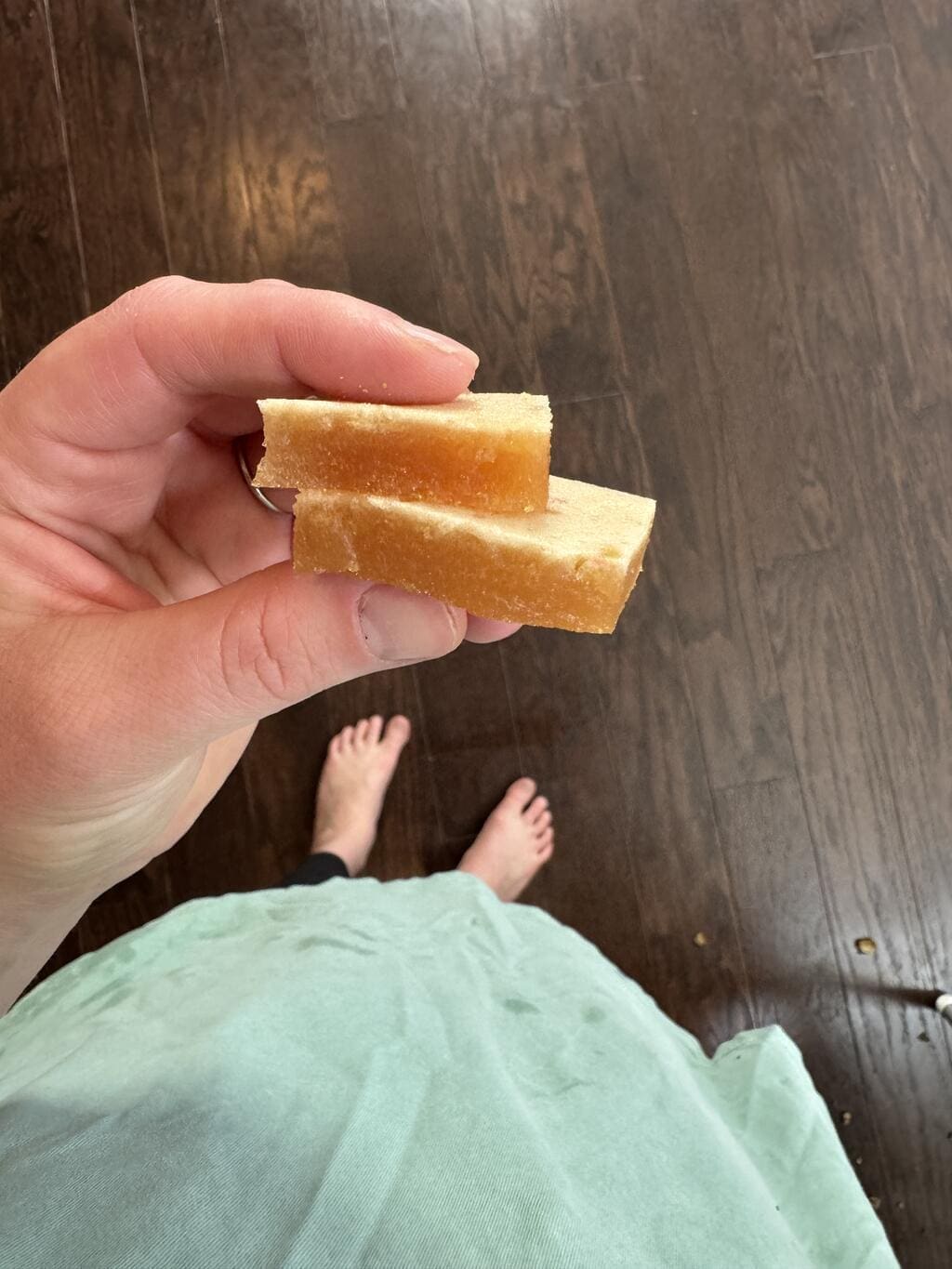
Seasonal support gummies are just my normal immune gummies with sinus support supplement added!
Everything linked below
Vitamin C
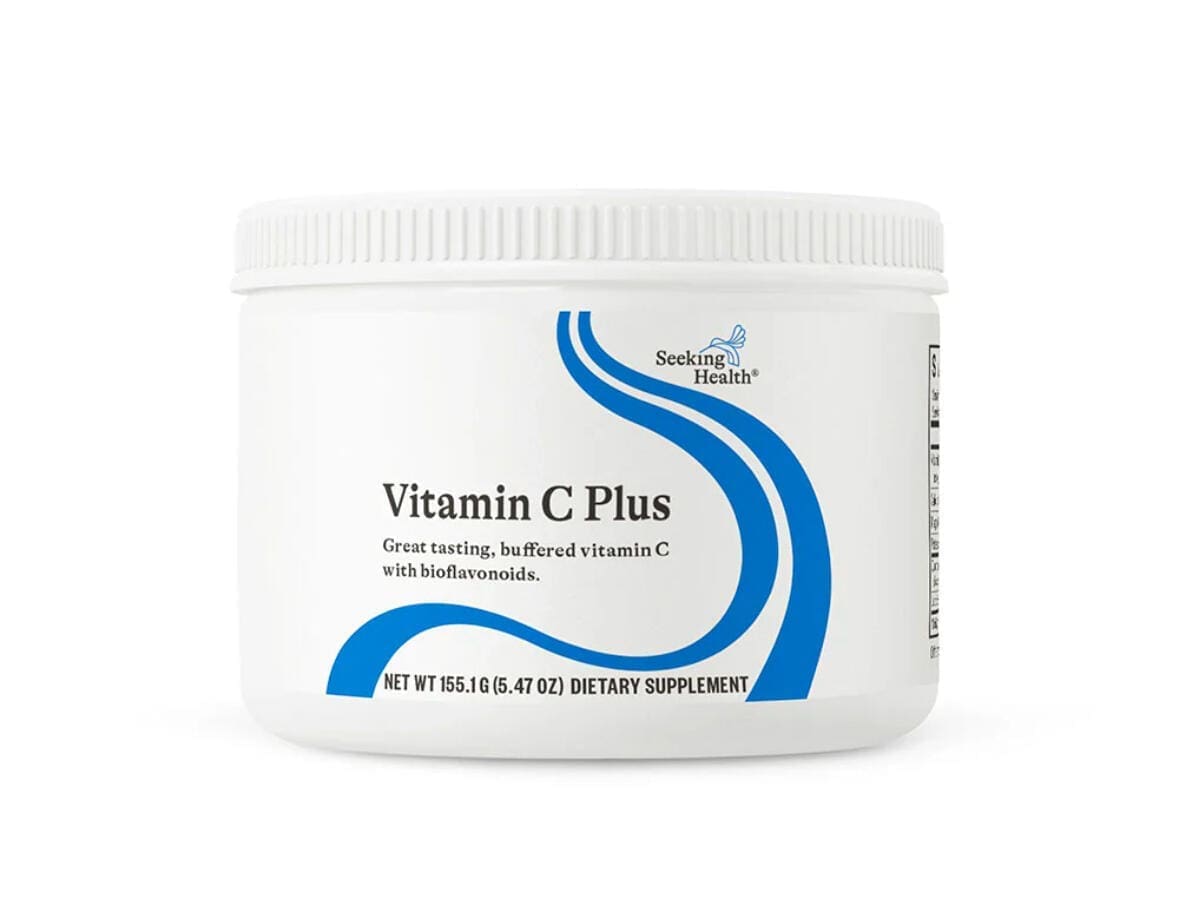
Seeking Health’s Vitamin C Plus supplement can be a valuable tool for supporting histamine balance and easing seasonal allergy symptoms. Vitamin C is a natural antihistamine that helps break down excess histamine in the body, which can reduce symptoms like congestion, sneezing, and itchy eyes. This formula includes quercetin, a powerful bioflavonoid known to stabilize mast cells and prevent them from releasing histamine in response to allergens like pollen. It also contains bromelain, which supports healthy inflammation levels and may improve the absorption of quercetin and vitamin C. Together, these ingredients help modulate the body’s response to allergens, making Vitamin C Plus a targeted and holistic option for anyone struggling with histamine overload during allergy season.
Code “emily10” for 10% off


leave a comment
+ show Comments